
AFIS vs ABIS: What is the difference and Why it matters
Biometric identification has moved beyond fingerprints to include facial and iris recognition. Modern security needs like larger databases, contactless identification, and fraud prevention, reveal the limits of fingerprint-only systems. ABIS meets these challenges with multimodal identification, cross-agency collaboration, and scalable, future-ready infrastructure.
Biometric identification has become a critical foundation for security and identity management across sectors such as law enforcement, border control, healthcare, and public administration. As organisations explore the transition from traditional fingerprint-focused systems to broader biometric ecosystems, two terms appear frequently: AFIS (Automated Fingerprint Identification System) and ABIS (Automated Biometric Identification System).
While often used interchangeably, these systems are not the same, and understanding their differences is essential for technical managers and decision-makers planning long-term biometric strategies. Choosing the right system isn’t just a technical detail, it heavily influences security strength, scalability, and future adaptability. In this article, we break down what distinguishes AFIS from ABIS, why these differences matter, and why decision-makers should carefully consider which one to implement.
AFIS vs ABIS: Understanding the Core Differences
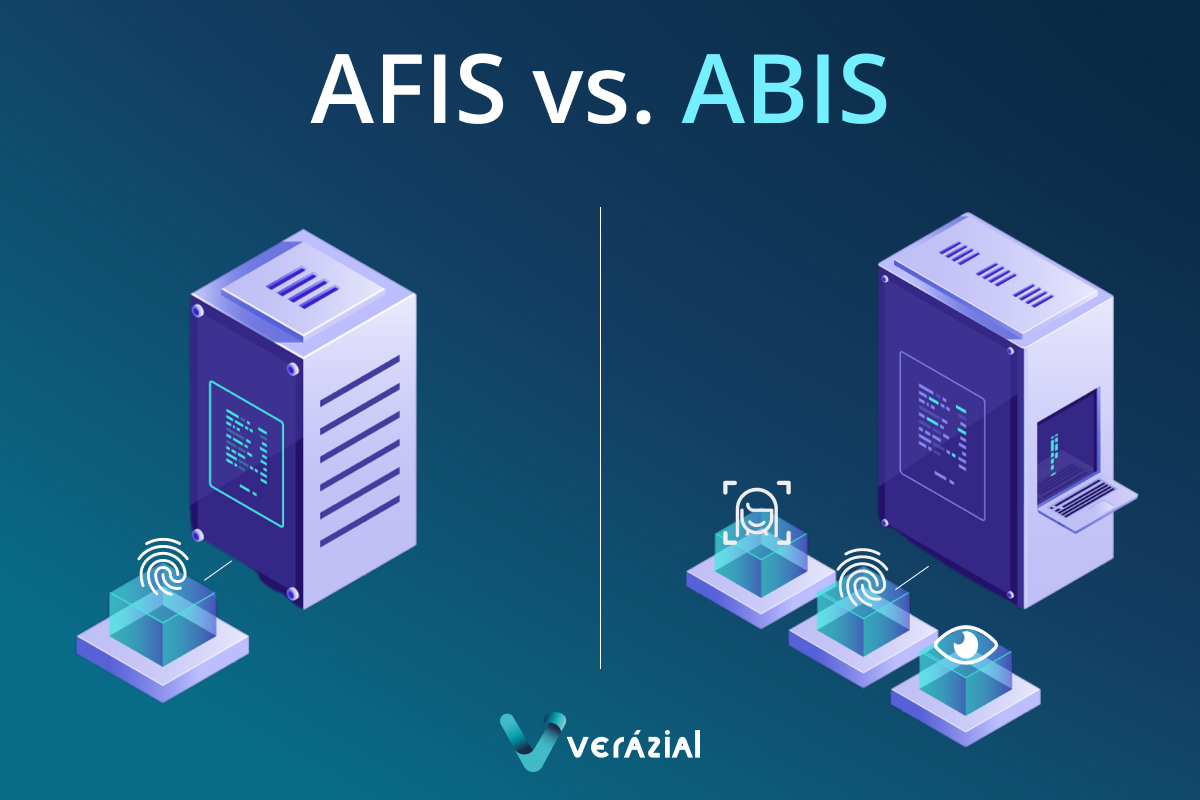
An Automated Fingerprint Identification System (AFIS) is a biometric platform designed to capture, store, and compare fingerprint data at scale. It automates the process of matching fingerprint images against large databases, enabling both one-to-one verification and one-to-many identification. AFIS has long been used by law enforcement, border agencies, and civil institutions to support forensic investigations, background checks, and identity verification processes.
An Automated Biometric Identification System (ABIS) expands this concept by incorporating multiple biometric modalities within a unified system. Instead of relying solely on fingerprints, an ABIS can integrate iris, facial, and other biometric traits, allowing identity records to be created and matched through a multimodal approach. This enables organisations to consolidate diverse biometric data into a single, interoperable platform that supports a wide range of civil, criminal, and administrative applications.
Why AFIS alone may not address modern Identity challenges
AFIS has been a standard in biometric identification for decades and remains indispensable in many operational environments. Traditionally, an AFIS is designed to capture, store, and match fingerprints, whether rolled, latent, or live. It became widely adopted because fingerprints are unique, relatively easy to capture, and supported by long-standing international standards. Agencies such as Interpol, the FBI, and numerous national police forces depend on AFIS for criminal investigations and identity verification.
Despite its maturity, AFIS reflects a time when identification was largely fingerprint-dependent. Today’s operational environments are more complex. Organisations face challenges such as:
- Individuals who cannot provide usable fingerprints due to age, injury, or occupation.
- Increasing sophistication in identity fraud techniques, including fingerprint spoofing.
- The need for more flexible, contactless, or remote identification options.
- Growing identity databases that require more robust and scalable matching capabilities.
These emerging needs show that, while AFIS is reliable, a fingerprint-only approach is no longer sufficient for environments that demand high security, inclusivity, and future-proof identification.
ABIS: Expanding Identification Beyond Fingerprints
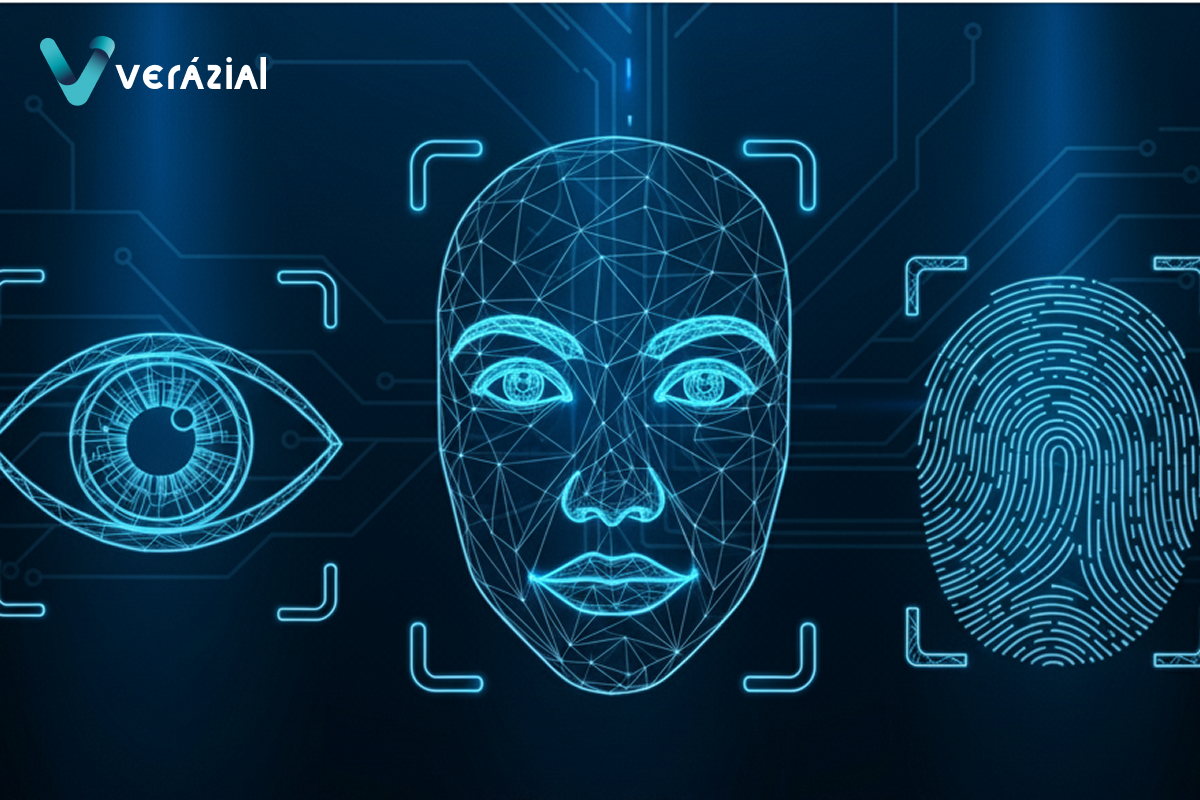
An ABIS (Automated Biometric Identification System) goes beyond fingerprint matching to manage multiple biometric modalities within the same platform. This typically includes:
- Fingerprint recognition (live or latent)
- Face recognition
- Iris recognition
ABIS aligns with international recommendations from bodies such as NIST (National Institute of Standards and Technology), the European Union Agency for Fundamental Rights, and the National Institute of Justice, all of which emphasize the importance of accurate, reliable, and multi-layered identity systems in modern security infrastructures.
ABIS provides a holistic and scalable approach to identity management by integrating all biometric checks into a unified environment. This ensures that if one modality performs poorly (e.g., degraded fingerprints), others can compensate (such as iris or facial recognition), significantly reducing error rates.

Advantages of choosing ABIS over AFIS
- Multimodal identification: ABIS supports multiple biometric types, significantly enhancing flexibility and reliability.
- Improved accuracy & resilience: Combining multiple biometric modalities reduces reliance on a single identifier and improves matching accuracy, particularly in cases where one modality is less reliable.
- Cross-agency collaboration: ABIS systems are often designed to share biometric information across institutions (law enforcement, immigration, civil) more easily, enabling integrations and joint investigations.
- High throughput & efficiency: Modern ABIS systems provide very high processing speeds and can scan or match large datasets quickly.
- Future-proof architecture: As biometric technologies evolve, ABIS allows organizations to add new modalities without replacing the core identification engine.
- Unified identity repository: With ABIS, you can consolidate identity data in a central system, minimizing fragmentation and improving data governance.
In summary, AFIS remains a robust, proven solution for fingerprint-based identification, especially in established law enforcement workflows. But as security challenges evolve, its single-modality nature can become a bottleneck. ABIS, by contrast, offers a flexible, scalable, and modern platform that supports multiple biometric types, enhances accuracy, and enables cross-system collaboration.
For technical managers and decision-makers, the choice between AFIS and ABIS represents a strategic inflection point. Moving to ABIS may require investment and careful planning, but the long-term benefits such as better performance, adaptability, and future scalability, are substantial.
We invite you to explore our previous article on Multimodal Biometrics: Why combining Iris, Fingerprint, and Facial Recognition enhances security? to learn more about biometrics.
Discover how Verázial ID integrates multimodal technologies into solutions tailored to different sectors, with its powerful ABIS delivering maximum security with a seamless user experience.
Contact us for a demo or a customized assessment.
References
- Images © Verázial Labs. All visuals are proprietary AI-generated assets created exclusively for this publication.
AFIS vs ABIS: What is the difference and Why it matters
Biometric identification has moved beyond fingerprints to include facial and iris recognition. Modern security needs like larger databases, contactless identification, and fraud prevention, reveal the limits of fingerprint-only systems. ABIS meets these challenges with multimodal identification, cross-agency collaboration, and scalable, future-ready infrastructure.
Biometric identification has become a critical foundation for security and identity management across sectors such as law enforcement, border control, healthcare, and public administration. As organisations explore the transition from traditional fingerprint-focused systems to broader biometric ecosystems, two terms appear frequently: AFIS (Automated Fingerprint Identification System) and ABIS (Automated Biometric Identification System).
While often used interchangeably, these systems are not the same, and understanding their differences is essential for technical managers and decision-makers planning long-term biometric strategies. Choosing the right system isn’t just a technical detail, it heavily influences security strength, scalability, and future adaptability. In this article, we break down what distinguishes AFIS from ABIS, why these differences matter, and why decision-makers should carefully consider which one to implement.
AFIS vs ABIS: Understanding the Core Differences
An Automated Fingerprint Identification System (AFIS) is a biometric platform designed to capture, store, and compare fingerprint data at scale. It automates the process of matching fingerprint images against large databases, enabling both one-to-one verification and one-to-many identification. AFIS has long been used by law enforcement, border agencies, and civil institutions to support forensic investigations, background checks, and identity verification processes.
An Automated Biometric Identification System (ABIS) expands this concept by incorporating multiple biometric modalities within a unified system. Instead of relying solely on fingerprints, an ABIS can integrate iris, facial, and other biometric traits, allowing identity records to be created and matched through a multimodal approach. This enables organisations to consolidate diverse biometric data into a single, interoperable platform that supports a wide range of civil, criminal, and administrative applications.
Why AFIS alone may not address modern Identity challenges
AFIS has been a standard in biometric identification for decades and remains indispensable in many operational environments. Traditionally, an AFIS is designed to capture, store, and match fingerprints, whether rolled, latent, or live. It became widely adopted because fingerprints are unique, relatively easy to capture, and supported by long-standing international standards. Agencies such as Interpol, the FBI, and numerous national police forces depend on AFIS for criminal investigations and identity verification.
Despite its maturity, AFIS reflects a time when identification was largely fingerprint-dependent. Today’s operational environments are more complex. Organisations face challenges such as:
- Individuals who cannot provide usable fingerprints due to age, injury, or occupation.
- Increasing sophistication in identity fraud techniques, including fingerprint spoofing.
- The need for more flexible, contactless, or remote identification options.
- Growing identity databases that require more robust and scalable matching capabilities.
These emerging needs show that, while AFIS is reliable, a fingerprint-only approach is no longer sufficient for environments that demand high security, inclusivity, and future-proof identification.
ABIS: Expanding Identification Beyond Fingerprints
An ABIS (Automated Biometric Identification System) goes beyond fingerprint matching to manage multiple biometric modalities within the same platform. This typically includes:
- Fingerprint recognition (live or latent)
- Face recognition
- Iris recognition
ABIS aligns with international recommendations from bodies such as NIST (National Institute of Standards and Technology), the European Union Agency for Fundamental Rights, and the National Institute of Justice, all of which emphasize the importance of accurate, reliable, and multi-layered identity systems in modern security infrastructures.
ABIS provides a holistic and scalable approach to identity management by integrating all biometric checks into a unified environment. This ensures that if one modality performs poorly (e.g., degraded fingerprints), others can compensate (such as iris or facial recognition), significantly reducing error rates.
Advantages of choosing ABIS over AFIS
- Multimodal identification: ABIS supports multiple biometric types, significantly enhancing flexibility and reliability.
- Improved accuracy & resilience: Combining multiple biometric modalities reduces reliance on a single identifier and improves matching accuracy, particularly in cases where one modality is less reliable.
- Cross-agency collaboration: ABIS systems are often designed to share biometric information across institutions (law enforcement, immigration, civil) more easily, enabling integrations and joint investigations.
- High throughput & efficiency: Modern ABIS systems provide very high processing speeds and can scan or match large datasets quickly.
- Future-proof architecture: As biometric technologies evolve, ABIS allows organizations to add new modalities without replacing the core identification engine.
- Unified identity repository: With ABIS, you can consolidate identity data in a central system, minimizing fragmentation and improving data governance.
In summary, AFIS remains a robust, proven solution for fingerprint-based identification, especially in established law enforcement workflows. But as security challenges evolve, its single-modality nature can become a bottleneck. ABIS, by contrast, offers a flexible, scalable, and modern platform that supports multiple biometric types, enhances accuracy, and enables cross-system collaboration.
For technical managers and decision-makers, the choice between AFIS and ABIS represents a strategic inflection point. Moving to ABIS may require investment and careful planning, but the long-term benefits such as better performance, adaptability, and future scalability, are substantial.
We invite you to explore our previous article on Multimodal Biometrics: Why combining Iris, Fingerprint, and Facial Recognition enhances security? to learn more about biometrics.
Discover how Verázial ID integrates multimodal technologies into solutions tailored to different sectors, with its powerful ABIS delivering maximum security with a seamless user experience.
Contact us for a demo or a customized assessment.
References
- Images © Verázial Labs. All visuals are proprietary AI-generated assets created exclusively for this publication.
AFIS vs ABIS: What is the difference and Why it matters
Biometric identification has moved beyond fingerprints to include facial and iris recognition. Modern security needs like larger databases, contactless identification, and fraud prevention, reveal the limits of fingerprint-only systems. ABIS meets these challenges with multimodal identification, cross-agency collaboration, and scalable, future-ready infrastructure.
Biometric identification has become a critical foundation for security and identity management across sectors such as law enforcement, border control, healthcare, and public administration. As organisations explore the transition from traditional fingerprint-focused systems to broader biometric ecosystems, two terms appear frequently: AFIS (Automated Fingerprint Identification System) and ABIS (Automated Biometric Identification System).
While often used interchangeably, these systems are not the same, and understanding their differences is essential for technical managers and decision-makers planning long-term biometric strategies. Choosing the right system isn’t just a technical detail, it heavily influences security strength, scalability, and future adaptability. In this article, we break down what distinguishes AFIS from ABIS, why these differences matter, and why decision-makers should carefully consider which one to implement.
AFIS vs ABIS: Understanding the Core Differences
An Automated Fingerprint Identification System (AFIS) is a biometric platform designed to capture, store, and compare fingerprint data at scale. It automates the process of matching fingerprint images against large databases, enabling both one-to-one verification and one-to-many identification. AFIS has long been used by law enforcement, border agencies, and civil institutions to support forensic investigations, background checks, and identity verification processes.
An Automated Biometric Identification System (ABIS) expands this concept by incorporating multiple biometric modalities within a unified system. Instead of relying solely on fingerprints, an ABIS can integrate iris, facial, and other biometric traits, allowing identity records to be created and matched through a multimodal approach. This enables organisations to consolidate diverse biometric data into a single, interoperable platform that supports a wide range of civil, criminal, and administrative applications.
Why AFIS alone may not address modern Identity challenges
AFIS has been a standard in biometric identification for decades and remains indispensable in many operational environments. Traditionally, an AFIS is designed to capture, store, and match fingerprints, whether rolled, latent, or live. It became widely adopted because fingerprints are unique, relatively easy to capture, and supported by long-standing international standards. Agencies such as Interpol, the FBI, and numerous national police forces depend on AFIS for criminal investigations and identity verification.
Despite its maturity, AFIS reflects a time when identification was largely fingerprint-dependent. Today’s operational environments are more complex. Organisations face challenges such as:
- Individuals who cannot provide usable fingerprints due to age, injury, or occupation.
- Increasing sophistication in identity fraud techniques, including fingerprint spoofing.
- The need for more flexible, contactless, or remote identification options.
- Growing identity databases that require more robust and scalable matching capabilities.
These emerging needs show that, while AFIS is reliable, a fingerprint-only approach is no longer sufficient for environments that demand high security, inclusivity, and future-proof identification.
ABIS: Expanding Identification Beyond Fingerprints
An ABIS (Automated Biometric Identification System) goes beyond fingerprint matching to manage multiple biometric modalities within the same platform. This typically includes:
- Fingerprint recognition (live or latent)
- Face recognition
- Iris recognition
ABIS aligns with international recommendations from bodies such as NIST (National Institute of Standards and Technology), the European Union Agency for Fundamental Rights, and the National Institute of Justice, all of which emphasize the importance of accurate, reliable, and multi-layered identity systems in modern security infrastructures.
ABIS provides a holistic and scalable approach to identity management by integrating all biometric checks into a unified environment. This ensures that if one modality performs poorly (e.g., degraded fingerprints), others can compensate (such as iris or facial recognition), significantly reducing error rates.
Advantages of choosing ABIS over AFIS
- Multimodal identification: ABIS supports multiple biometric types, significantly enhancing flexibility and reliability.
- Improved accuracy & resilience: Combining multiple biometric modalities reduces reliance on a single identifier and improves matching accuracy, particularly in cases where one modality is less reliable.
- Cross-agency collaboration: ABIS systems are often designed to share biometric information across institutions (law enforcement, immigration, civil) more easily, enabling integrations and joint investigations.
- High throughput & efficiency: Modern ABIS systems provide very high processing speeds and can scan or match large datasets quickly.
- Future-proof architecture: As biometric technologies evolve, ABIS allows organizations to add new modalities without replacing the core identification engine.
- Unified identity repository: With ABIS, you can consolidate identity data in a central system, minimizing fragmentation and improving data governance.
In summary, AFIS remains a robust, proven solution for fingerprint-based identification, especially in established law enforcement workflows. But as security challenges evolve, its single-modality nature can become a bottleneck. ABIS, by contrast, offers a flexible, scalable, and modern platform that supports multiple biometric types, enhances accuracy, and enables cross-system collaboration.
For technical managers and decision-makers, the choice between AFIS and ABIS represents a strategic inflection point. Moving to ABIS may require investment and careful planning, but the long-term benefits such as better performance, adaptability, and future scalability, are substantial.
We invite you to explore our previous article on Multimodal Biometrics: Why combining Iris, Fingerprint, and Facial Recognition enhances security? to learn more about biometrics.
Discover how Verázial ID integrates multimodal technologies into solutions tailored to different sectors, with its powerful ABIS delivering maximum security with a seamless user experience.
Contact us for a demo or a customized assessment.
References
- Images © Verázial Labs. All visuals are proprietary AI-generated assets created exclusively for this publication.
You May Also Like
You May Also Like