
Welcome to
our Blog
Here you can learn about the latest biometric developments for your sector
Welcome to
our Blog
Here you can learn about the latest biometric developments for your sector
Welcome to
our Blog
Here you can learn about the latest biometric developments for your sector

GMP compliance in drug manufacturing
The pharmaceutical industry must ensure compliance with GMP regulations, which include a number of issues, including data integrity. The adoption of biometric technologies, such as iris or fingerprint recognition, emerges as the solution to ensure compliance.
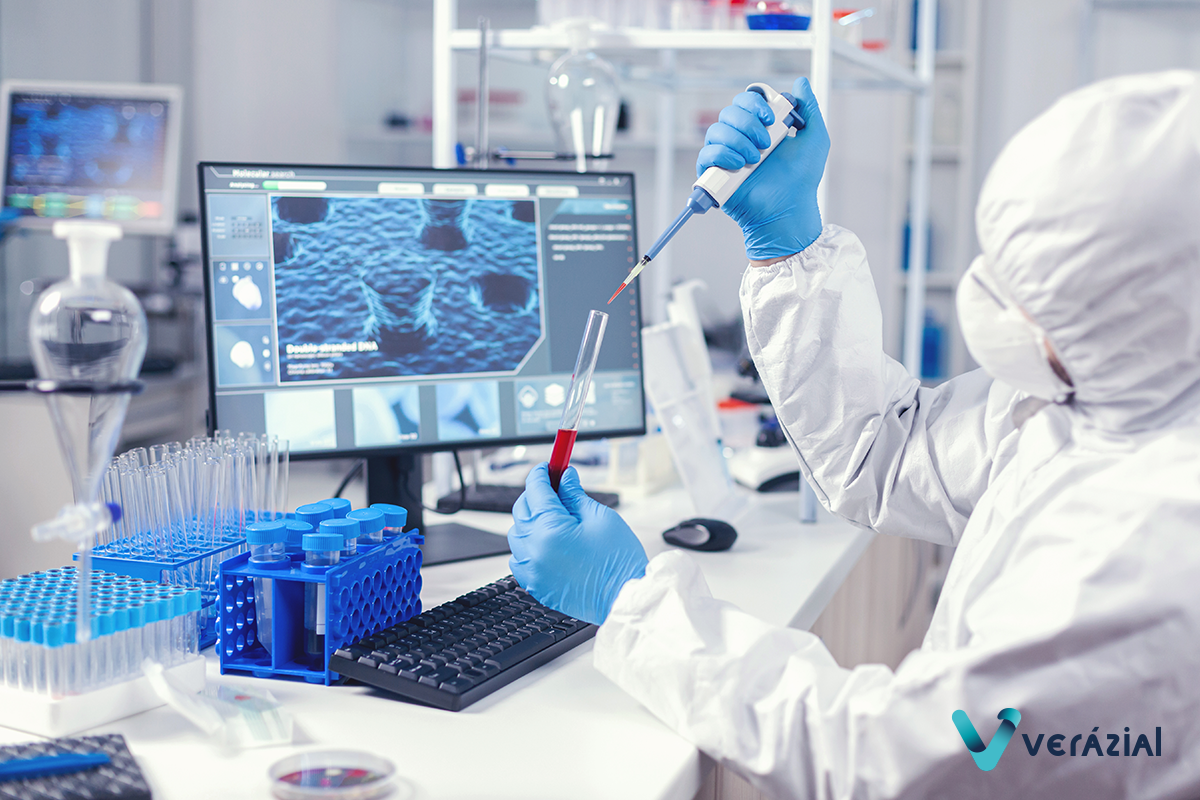
GxP environments and their relevance to the pharmaceutical industry
Within GxP regulated environments, it is essential to ensure data integrity and traceability of actions throughout the supply chain. The adoption of biometric technologies, such as iris or fingerprint recognition, emerges as the solution to ensure compliance.

Consequences of non-compliance with data integrity in the pharmaceutical industry
Non-compliance with GMP regulations, particularly in critical factors such as data integrity and employee identification in manufacturing tasks, can lead to regulatory agencies issuing warning letters and even suspending manufacturing operations. How do you effectively address and prevent these consequences to ensure compliance?

FDA inspections in the pharmaceutical industry
The FDA and EMA share the goal of ensuring compliance with GMP and other applicable regulations in pharmaceutical manufacturing. These entities carry out exhaustive inspections of companies to verify their compliance with established standards. Is your company ready to face the rigorous inspection processes?

Biometric technology: The solution to ensure secure identification in correctional facilities
Ensuring the authenticity of identities in prisons is crucial and current methods are slow and vulnerable. The effective solution lies in the implementation of biometric technologies, such as iris or fingerprint recognition.

Challenges of using RFID cards in the pharmaceutical industry
RFID cards provide some advantages when used for access control and as an electronic signature for employees in pharmaceutical production processes. However, they present a series of inconveniences that make the regulations themselves not accept them as the exclusive method of identification.

What are the disadvantages of using handwritten signatures in pharmaceutical process control?
In many pharmaceutical companies, employees record their manufacturing actions on paper with handwritten signatures, which creates risks and inefficiencies. It is possible to digitize these processes in a simple way and add the security of the biometric electronic signature.
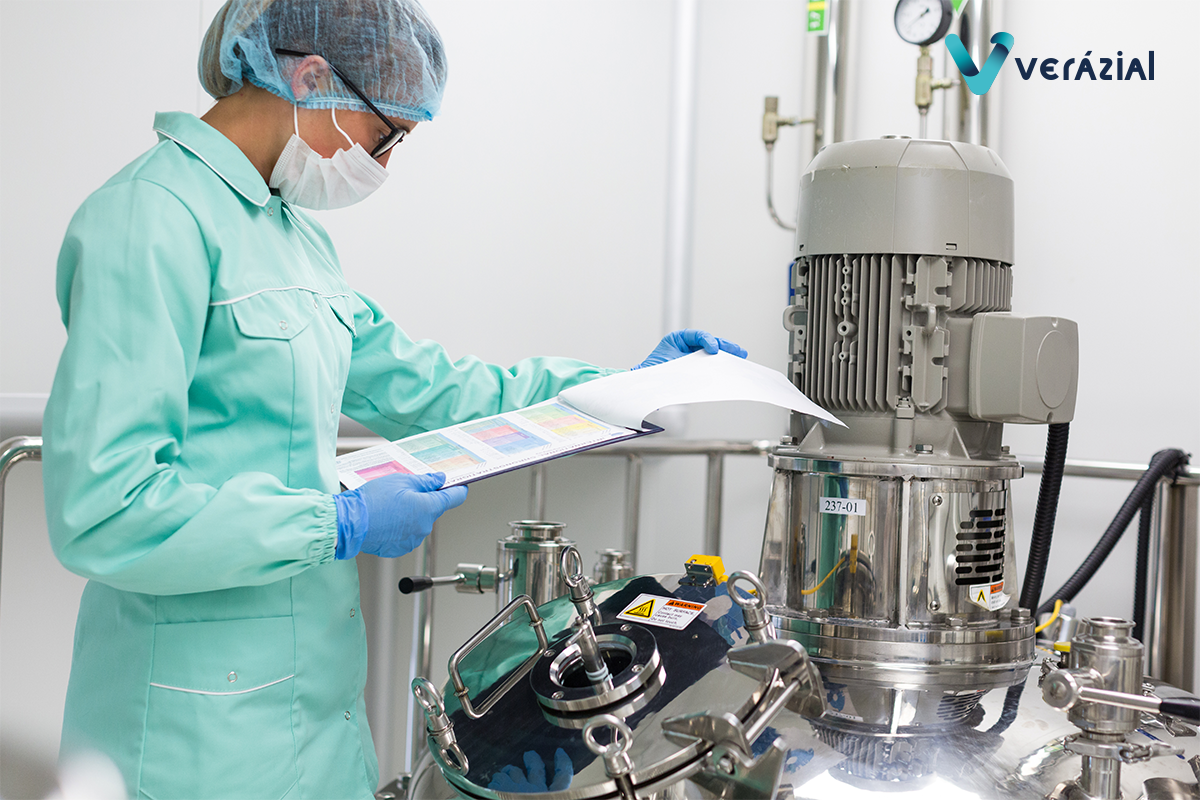
Challenges in the control of pharmaceutical manufacturing processes on paper
In many pharmaceutical companies, employees still record manufacturing control data on paper and authenticate it with their handwritten signature. This can lead to inefficiencies and errors that jeopardize data integrity.
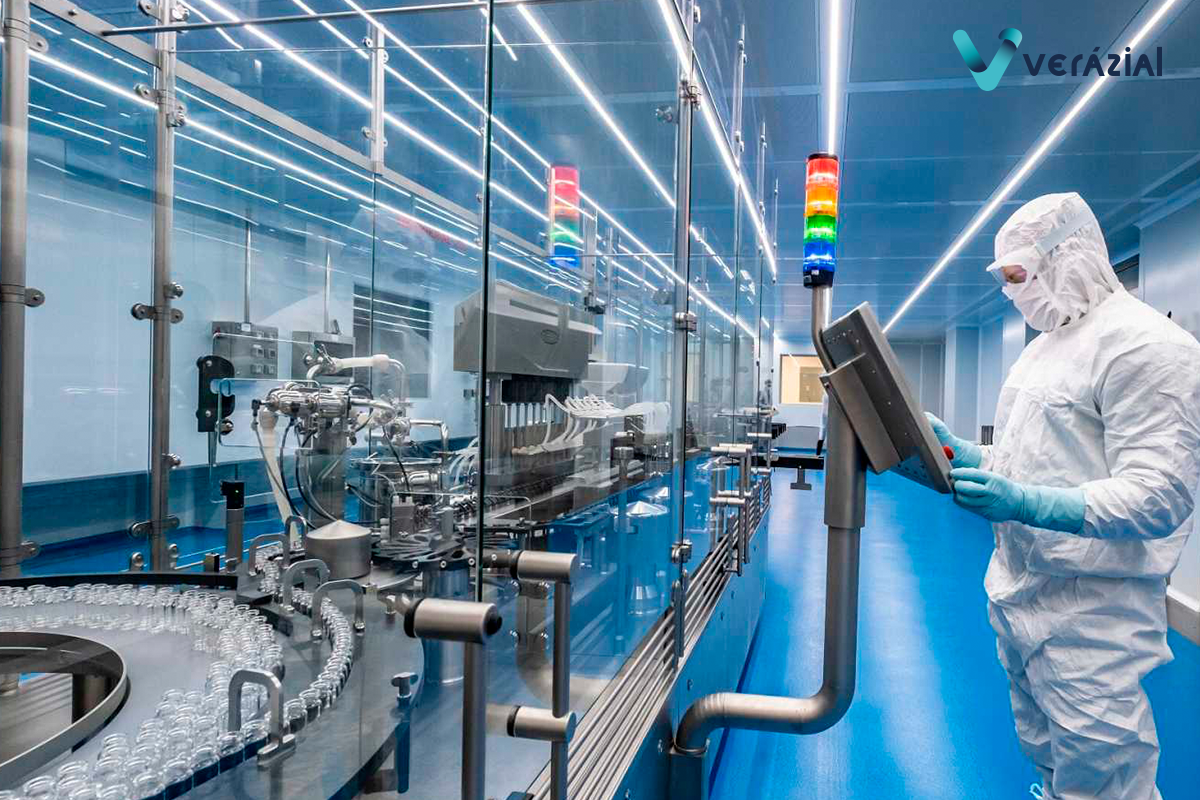
Biometric electronic signature in pharmaceutical manufacturing processes
The use of biometrics in electronic signatures solves all the current problems with passwords in GMP regulated pharmaceutical manufacturing environments. But what technologies should we use? How should they be applied?

Duplicated and overlapping medical records: Consequences of incorrect patient identification
The implementation of advanced identification systems, such as biometrics, plays a crucial role in preventing the duplication of medical records, ensuring that each patient is linked to a unique record. This not only enhances the precision of information but also streamlines healthcare processes and reduces the risks of clinical errors.
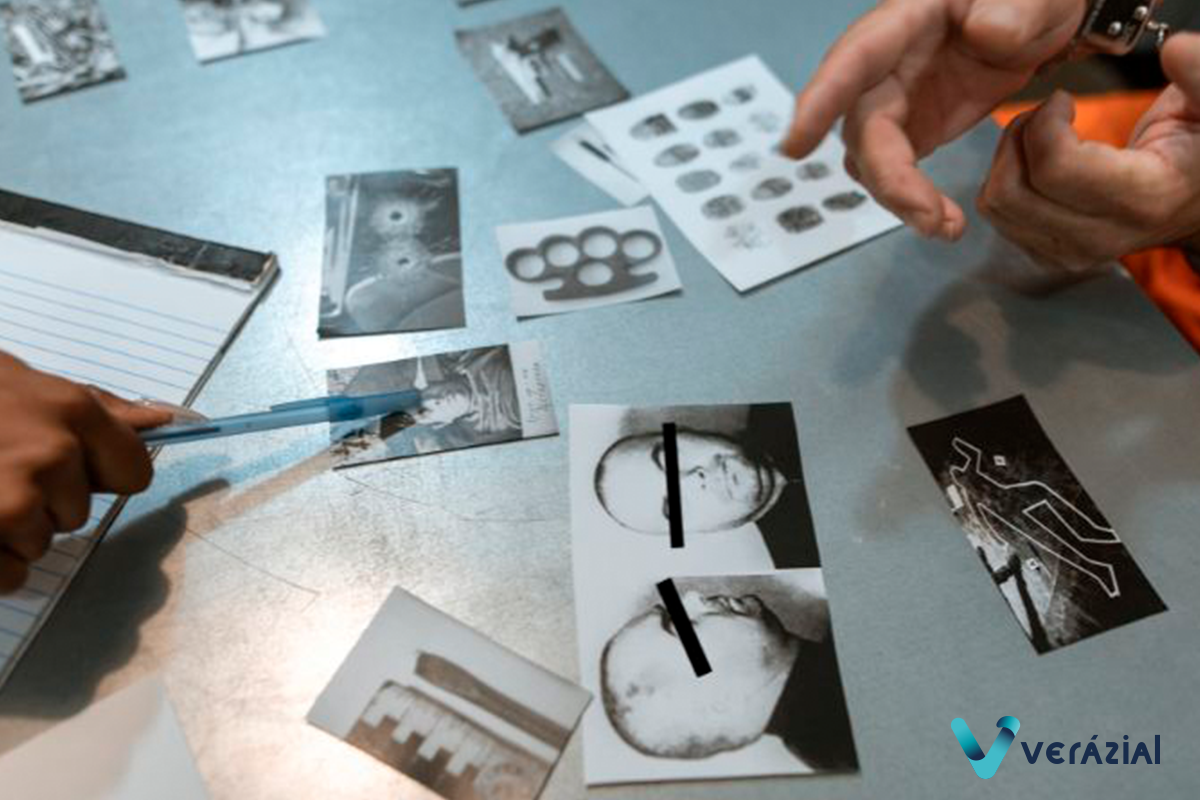
Biometric Systems in Criminalistics: Enhancing the efficiency of evidence collection and analysis
Speed and accuracy in evidence analysis are crucial in criminal investigations, as a mistake can alter the fate of either an innocent person or a guilty one. Advanced biometric technologies, such as fingerprints, facial recognition, palm or iris scans enable quick and reliable identification, enhancing the effectiveness of investigations and ensuring solid evidence.
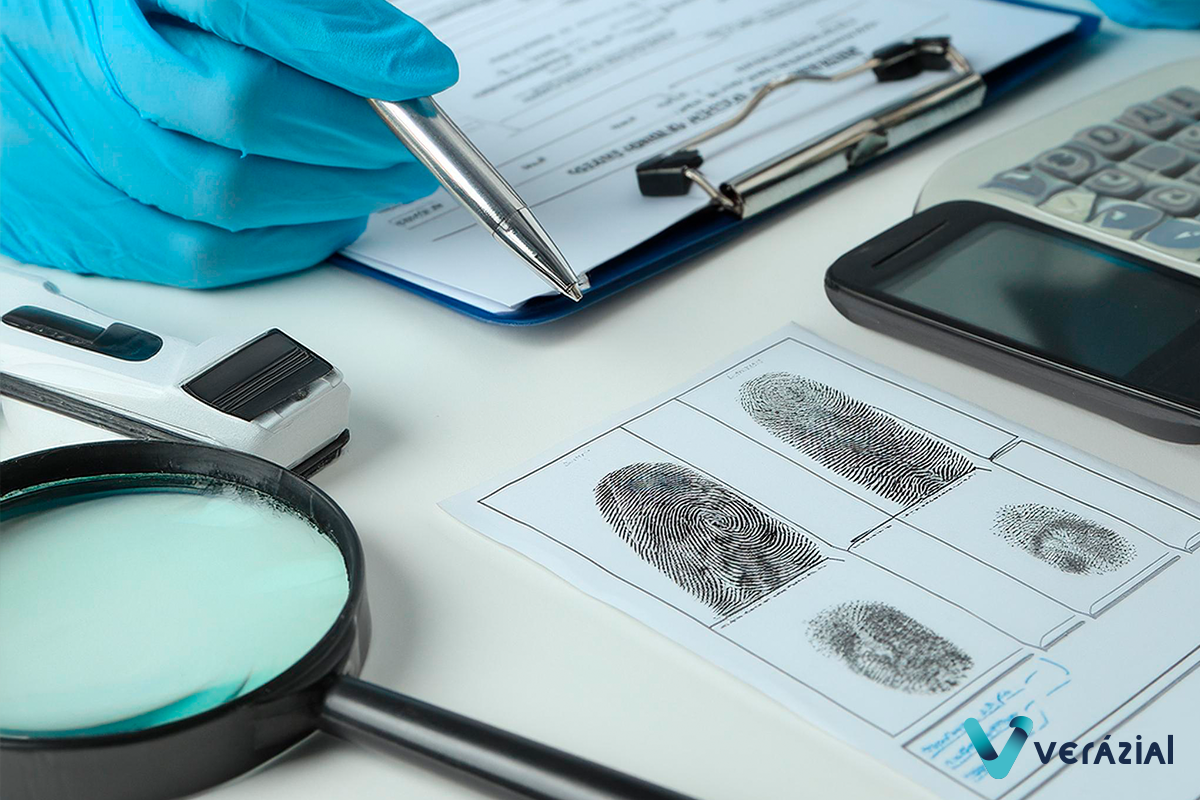
Use of biometric technology in criminal investigations
Accuracy in identifying suspects and analyzing evidence is crucial to avoid errors in criminal investigations. The implementation of biometric technologies, such as fingerprint, facial and iris recognition, allows for fast and reliable identification, improving the authenticity of evidence and strengthening trust in the judicial system.
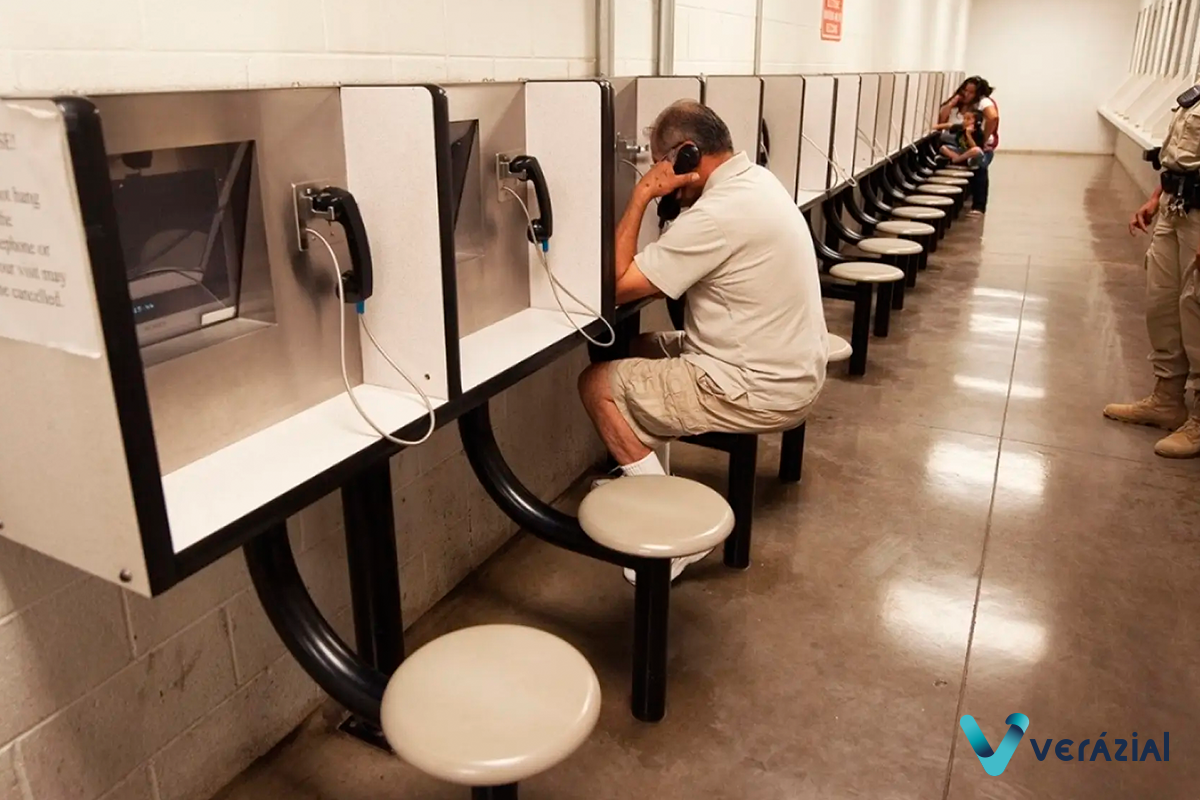
Visitor control in penitentiary centers with biometric technologies
Current methods of visitor identification can compromise prison security. The implementation of biometric technologies, such as iris or facial recognition, and fingerprints, offers a more accurate and reliable alternative to improve access control processes and prevent identity theft.
Subscribe to our newsletter
Receive information of interest about biometrics for your sector
Subscribe to our newsletter
Receive information of interest about biometrics for your sector
Subscribe to our newsletter
Receive information of interest about biometrics for your sector